



Historic Theatres
Theatre is everywhere in Europe. It is part of our civilization. But it is a fleeting art: the moment a performance is over, it continues to exist only in the memory of the spectator.
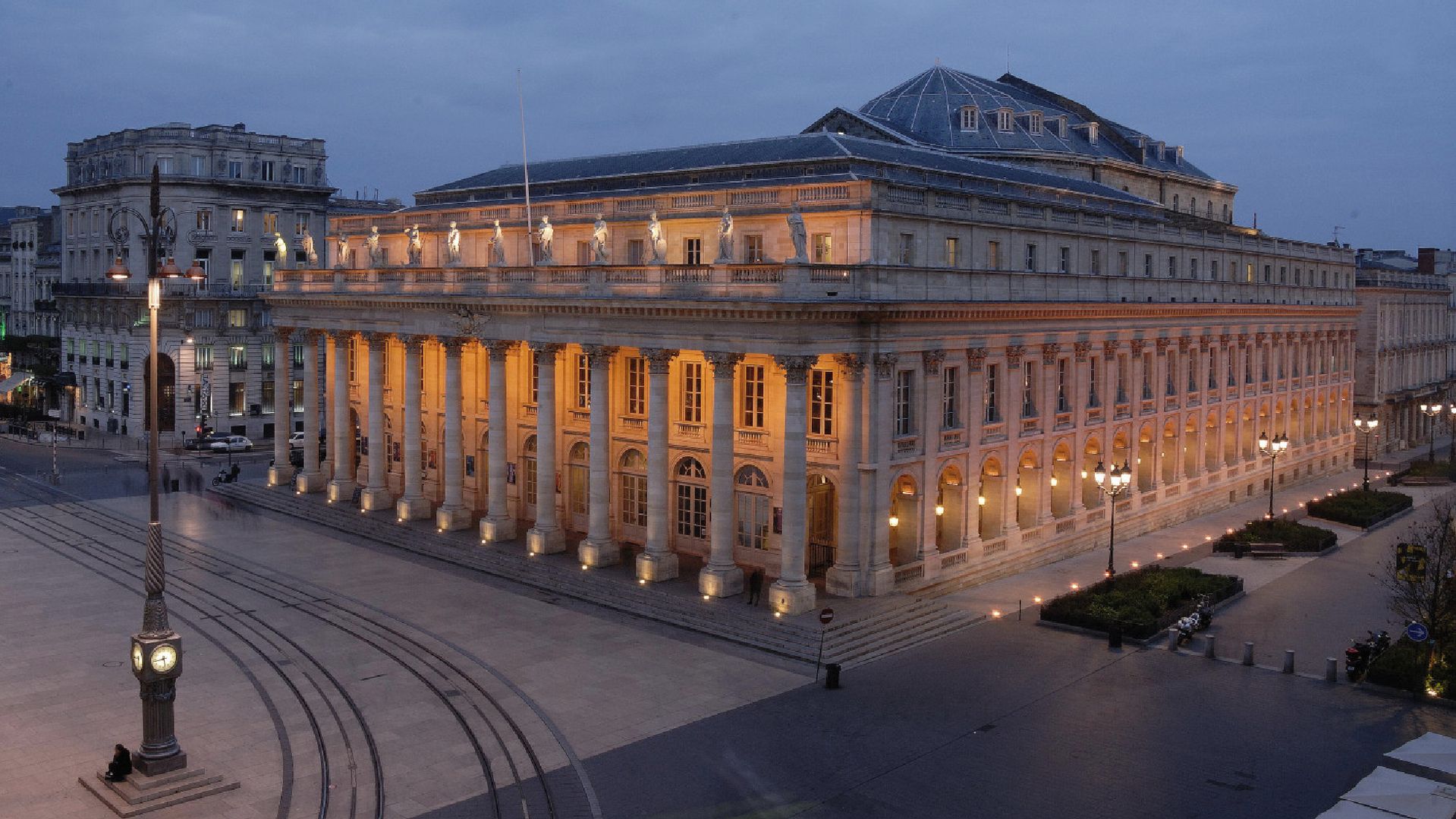
Nevertheless, there is one permanent expression of this art: the theatre buildings. Every theatre building tells us something about the time when it was built, the intentions of its builders, the relationship between audience and artists, the cooperation of the artists across all borders, and the change of times.
And there is also a European aspect to all theatres: the architectural form as we know it today was developed in Italy in the 17th century and subsequently spread all over Europe. The theatre therefore belongs to the very few truly European types of building.
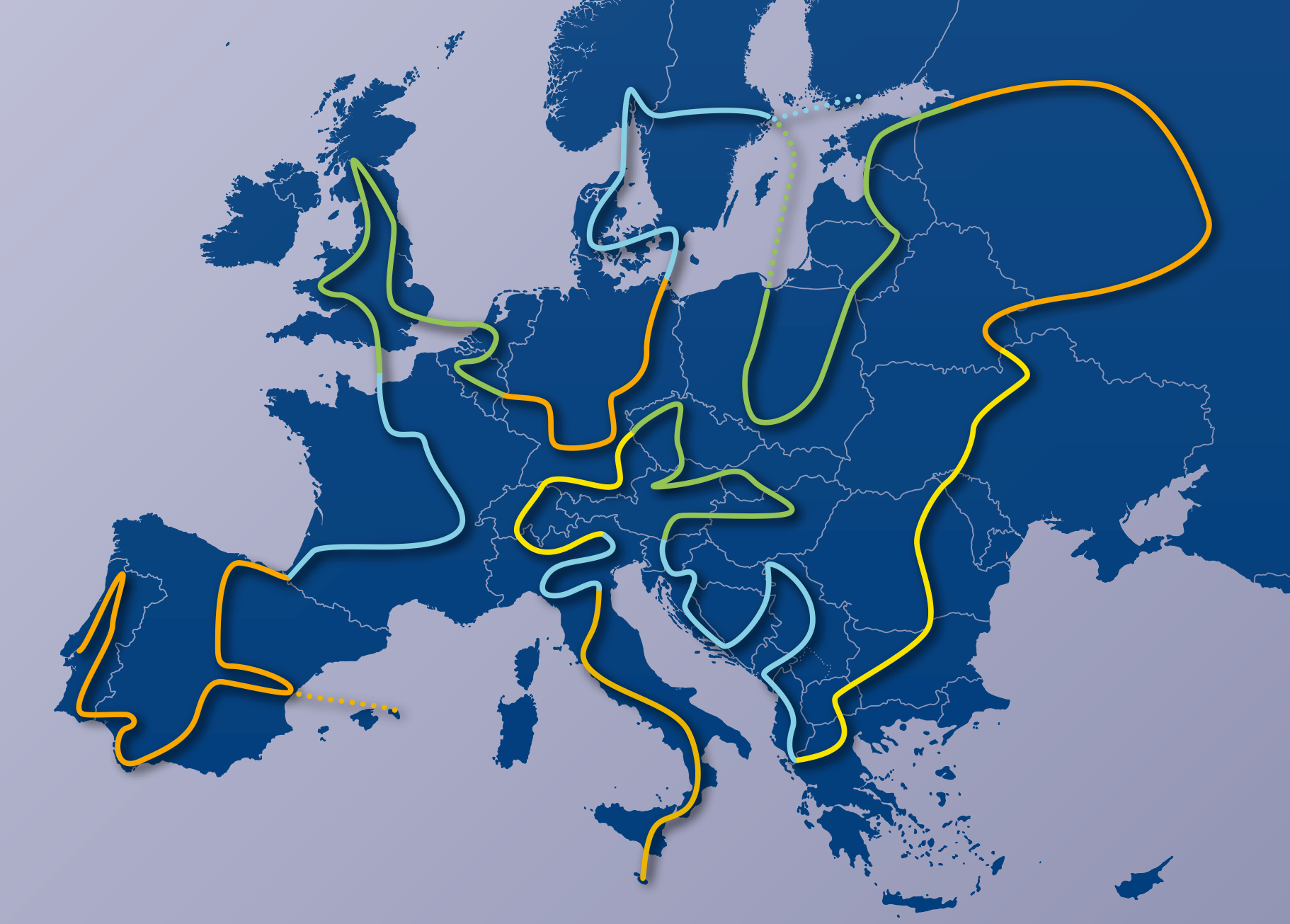
To make it easy for you to experience this very special European cultural heritage, selected historic theatres are being connected to form a European Route of Historic Theatres. It consists of various part routes, each combining about 10 theatres, offering a pleasant journey of about a week.
Discover 120 of the most beautiful, most interesting and best preserved historic theatre buildings in Europe on the European Route of Historic Theatres. These theatres can be visited during the day: see them for yourself and experience the history of Europe from the Renaissance to the 20th century.

With the support of the Culture Programme of the European Union.

In the framework of the European Route of Historic Theatres, data on all historic theatres in Europe is being collected and loaded into a online database.
The database shall be completed in 2017, offering the first ever overview of this exceptional built heritage. You can already search the database now for the already listed theatres from many countries:
Contact
PERSPECTIV – Association of Historic Theatres in Europe
Villbacher Str. 21
63599 Biebergemünd, Germany
info@perspectiv-online.org
